
[et_pb_section fb_built=”1″ admin_label=”section” _builder_version=”4.16″ global_colors_info=”{}” theme_builder_area=”post_content”][et_pb_row admin_label=”row” _builder_version=”4.16″ background_size=”initial” background_position=”top_left” background_repeat=”repeat” global_colors_info=”{}” theme_builder_area=”post_content”][et_pb_column type=”4_4″ _builder_version=”4.16″ custom_padding=”|||” global_colors_info=”{}” custom_padding__hover=”|||” theme_builder_area=”post_content”][et_pb_text admin_label=”Text” _builder_version=”4.16″ background_size=”initial” background_position=”top_left” background_repeat=”repeat” global_colors_info=”{}” theme_builder_area=”post_content”]When a storm hits, it can wreak havoc on your home, with the roof often bearing the brunt of the damage. A professional roof inspection following such events can be a crucial step in safeguarding your investment and preventing further issues. By identifying damage such as missing shingles, leaks, or compromised gutters early, you can address these problems before they escalate into costly repairs.
Why You Need a Professional Roof Inspection
After a storm, your roof serves as your home’s primary defense against environmental elements like rain, wind, and debris. Ensuring it hasn’t sustained damage is not only about maintaining your property’s value but also about keeping your family safe. A professional roof inspection can provide peace of mind, knowing that all potential vulnerabilities have been assessed and addressed.
Assess Storm Damage Accurately
A professional roof inspector possesses the skills and experience needed to spot damage that may not be obvious at first glance. This includes subtle signs like water staining or sagging areas that could indicate deeper problems.
Prevent Further Damage
Addressing roof damage promptly is crucial in preventing minor issues from spiraling into major headaches. For instance, a small leak might seem insignificant but can lead to extensive water damage, including mold growth and compromised structural integrity, if not repaired quickly. Timely inspections allow for early intervention, protecting your home from further harm and potential health risks associated with mold and mildew.
Insurance Claims Assistance
Dealing with insurance claims can be daunting, but a professional roof inspection provides thorough documentation of any damage sustained. This documentation is vital when negotiating with insurance companies, ensuring you receive the full compensation you deserve for repairs. The detailed reports provided can serve as evidence of the damage, streamlining the claims process and helping avoid disputes with insurers.
What Happens During a Professional Roof Inspection?
Understanding the steps involved in a professional roof inspection can help you prepare for the process and ensure you receive a thorough evaluation. These inspections are designed to uncover all potential issues, providing a comprehensive overview of your roof’s condition.
Exterior Inspection
The inspection begins with a detailed examination of the roof’s exterior. The inspector will carefully look for visible signs of damage, such as missing, curled, or cracked shingles, which can expose your home to leaks. They will also check the condition of the flashing around chimneys, vents, and skylights, as damaged flashing can lead to water penetration.
Interior Inspection
Inside your home, the inspection focuses on identifying signs of water intrusion, which may not be immediately visible from the outside. The inspector will examine the attic and ceilings for water stains, mold, or mildew, which are clear indicators of leaks. They will also evaluate the insulation and ventilation to ensure they are adequate, as poor ventilation can lead to moisture buildup, affecting both the roof’s lifespan and the home’s energy efficiency.
Detailed Report and Recommendations
Following the inspection, you will receive a comprehensive report detailing the findings. This report will outline the condition of your roof, highlighting areas that require attention and providing recommendations for necessary repairs.
Common Roof Issues After a Storm
Shingle Damage
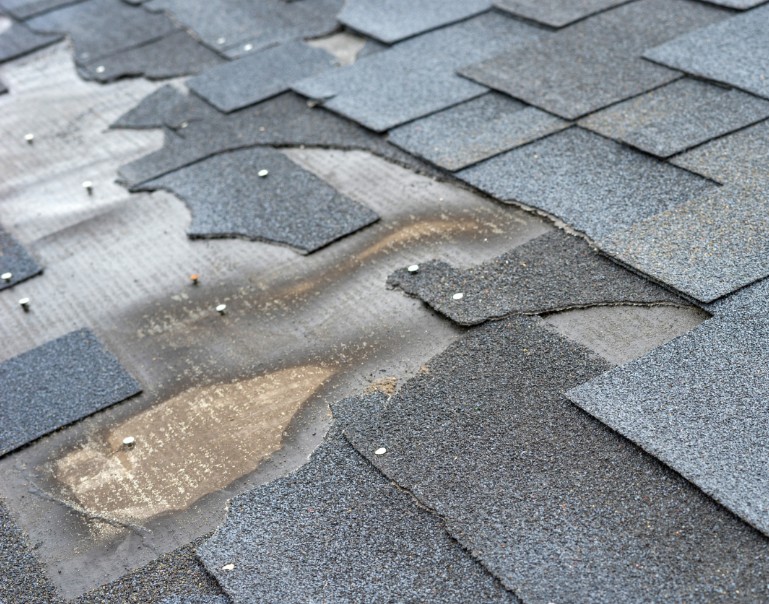
Shingles often bear the brunt of storm damage, with high winds and heavy rain causing them to crack, curl, or be torn away entirely. Missing or damaged shingles create entry points for water, leading to leaks and water damage inside your home. Prompt replacement of compromised shingles is essential to maintain your roof’s integrity and prevent further issues.
Flashing and Sealant Damage
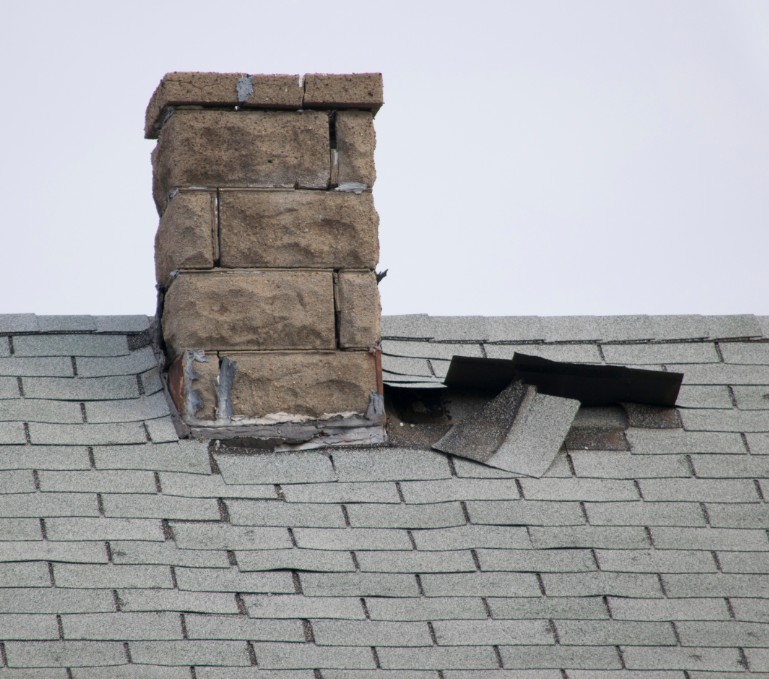
Flashing and sealants play a critical role in waterproofing your roof, particularly around areas like chimneys and skylights. During storms, these components can become loose, damaged, or cracked, allowing water to seep through. Regular inspections and timely resealing can prevent water infiltration, protecting your home from interior damage.
Gutter Damage
Gutters are vital for directing rainwater away from your roof and home. Storms can lead to clogged or damaged gutters, causing water to back up and overflow. Inspectors will check for sagging, leaks, and blockages that could impede proper drainage, ensuring that your gutter system functions effectively to protect your roof and foundation.
Structural Damage
In severe weather conditions, roofs can suffer significant structural damage that might not be immediately visible. Inspectors will evaluate the roof’s framing and support structures to ensure they remain intact and stable. Identifying and repairing structural issues early can prevent more extensive damage and costly repairs in the future.
Choosing the Right Roof Inspection Services
Selecting a reliable roof inspection service is crucial to ensuring your home is thoroughly evaluated and any issues are accurately identified. Here are key factors to consider:
Experience and Reputation
Opt for a company with a strong track record in residential roofing and storm damage repair. Check online reviews and testimonials to gauge past customers’ experiences, and look for companies that have been in business for several years, as this often indicates a higher level of reliability and expertise.
Licensed and Insured
Ensure the roof inspector is both licensed and insured. Licensing verifies that they have met industry standards, while insurance protects you from liability in case of accidents during the inspection. This provides an added layer of security and professionalism, ensuring you receive quality service.
Comprehensive Services
Choose a company that offers a broad range of services, from inspections to repairs and ongoing maintenance. This not only ensures continuity in service but also means you can rely on one provider for all your roofing needs, simplifying the process and often resulting in better service and pricing options.
Roof Inspection Cost: What to Expect
The cost of a roof inspection can vary based on several factors, but understanding what influences these costs can help you budget more effectively. Generally, you can expect to pay between $120 and $400 for a standard inspection.
Factors Affecting Cost
- Roof Size and Complexity: Larger or more complex roofs require more time and effort to inspect, which can increase costs. Unique architectural features or steep pitches can also add to the complexity and price.
- Type of Inspection: Basic visual inspections tend to be less expensive, while more comprehensive inspections that utilize advanced technology, such as thermal imaging to detect leaks, will cost more.
- Location: Regional differences in labor rates and the cost of living can significantly impact the price of a roof inspection. Urban areas might have higher costs due to increased demand and operational expenses.
Taking Action After Your Roof Inspection
Once you’ve received your inspection report, it’s crucial to act on the recommendations provided to prevent further damage and ensure the longevity of your roof.
Repair vs. Replacement
If the inspection reveals extensive damage, a roof replacement might be more cost-effective than numerous repairs. Your inspector can guide you in weighing the benefits of repairing versus replacing, considering factors such as the roof’s age, the severity of the damage, and your budget.
Regular Maintenance
To keep your roof in optimal condition and prevent future storm damage, consider scheduling regular maintenance inspections. These routine checks can identify minor issues before they become significant problems, saving you time and money in the long run.
Conclusion
After a storm, a professional roof inspection is an essential step in protecting your home and ensuring its longevity. By understanding what to expect and taking swift action on necessary repairs, you can safeguard your home from future damage and expensive repairs.
Reach out to our team at Galaxy Roofing and Construction today to get the most accurate assessment of your roof, ensuring it remains a safe and secure haven for years.[/et_pb_text][/et_pb_column][/et_pb_row][/et_pb_section]