
When I scheduled a siding installation with Galaxy Roofing and Construction in Oklahoma City, OK, I learned that removing the old siding was necessary in my situation. Moisture had collected behind the existing layers, and a full siding replacement allowed everything underneath to be inspected and corrected before new material was installed.
Do You Have To Remove Old Siding Before Installing New Siding?
That was the question I kept coming back to in early March.
After a windy stretch here in Oklahoma City, I noticed the siding on the back of my house looked slightly off. The panels rattled during stronger gusts, and one lower section didn’t sit flush against the wall anymore.
I didn’t think much of it. Then I started hearing it every time the wind picked up.
I started researching siding installation and kept seeing mixed answers. Some homeowners install new siding over old material. Others remove everything first. I wanted to know what actually made sense for my house.
So I scheduled an inspection with Galaxy Roofing and Construction.
What Was Going On Behind The Siding?
The inspection made things clearer pretty quickly.
My home had more than one layer of siding. A previous owner had installed vinyl over older material years ago. From the outside, it looked fine for a while. But Oklahoma weather is not mild. Winter brings freeze and thaw cycles, followed by strong winds moving into spring.
Vinyl expands and contracts with temperature changes. Fasteners loosen gradually. Small gaps form. Over time, moisture can work its way behind the panels. If it has no path to dry properly, it stays there.
In my case, there were early signs of trapped moisture behind the lower sections. Not severe damage, but enough to raise concern. The slight softness near the base of one wall made more sense once that was explained.
Addressing the issue early helps prevent further damage and allows the area to dry properly before seasonal storms increase.
How I Knew It Needed a Professional Evaluation
I debated waiting it out. The siding wasn’t hanging off the house. But the signs were consistent.
The rattling during windstorms became more noticeable. One corner piece shifted slightly more each week. And the uneven line near the bottom of the wall bothered me every time I walked past it.
Looking back, those were early indicators that something underneath wasn’t stable.
I didn’t want to assume it was structural damage. But I also didn’t want to cover it up without understanding it.
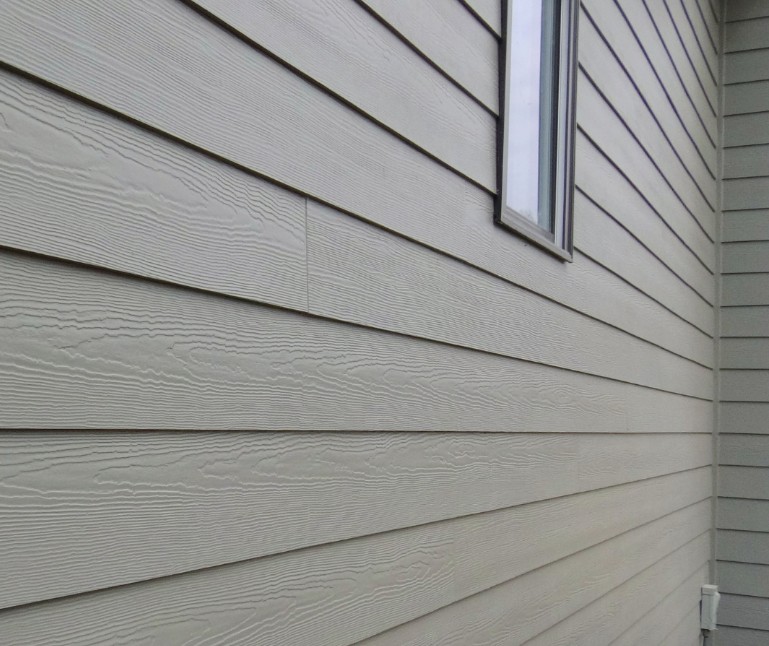
What The Inspection Involved
The inspection was straightforward and focused on facts.
They checked the visible siding condition and tested how secure the fasteners were. They looked at flashing around windows and near the roofline. They also performed a brief roof inspection since wind exposure can affect both the roof and siding at the same time.
Once they removed a small section for evaluation, moisture was found behind the existing layer. It wasn’t widespread rot, but it confirmed that overlaying new siding would trap that moisture inside the wall assembly.
Why Installing Over The Old Layer Wasn’t The Right Choice
I specifically asked if they could just install new siding over the existing material.
The explanation made sense. Installing over old siding can sometimes work if the surface underneath is flat, dry, and structurally sound. But if there is moisture present or multiple layers already in place, it limits the ability to inspect and correct underlying issues.
Removing the old siding allowed them to examine the sheathing. Only a few small sections needed replacement. A new moisture barrier was installed before the new siding went up. Fasteners were secured directly into solid framing instead of compromised material.
It added labor to the project, but it also eliminated uncertainty.
How Long The Siding Replacement Took
The entire siding replacement took four days.
The first day involved removing both siding layers and hauling away debris. That process exposed the sheathing and revealed minor areas that required repair. The next two days focused on preparation, including installing an updated moisture barrier and securing flashing details.
The final day was spent completing the siding installation.
March weather in Oklahoma City can shift quickly. Wind can slow progress. Fortunately, the conditions cooperated during my project. If this had been scheduled later in spring, when storm activity increases, timing could have been more complicated.
What Siding Replacement Costs In Oklahoma City, OK
Before moving forward, I researched local averages so I would have realistic expectations.
For a standard 1,800 to 2,200 square foot home in Oklahoma City, siding replacement typically ranges between $8,000 and $15,000. The final cost depends on square footage, material choice, accessibility, and the condition of the structure underneath.
Because older layers had to be removed in my case, labor costs reflected that additional work. Minor sheathing repairs also contributed to the total.
The pricing aligned with what I found for similar homes in the area.
Spring is a common time for these projects since winter damage becomes visible once temperatures rise. That seasonal timing can affect scheduling, especially as storm season approaches.
Does Early Spring Impact Siding Installation?
Early spring in Oklahoma City is transitional. Temperatures fluctuate daily. Some mornings are near freezing, and afternoons can be mild. Wind speeds increase as seasonal patterns shift.
Vinyl siding needs to be installed with proper spacing to allow for expansion in warmer weather. That detail matters more than I realized. If spacing is incorrect, panels can buckle when temperatures rise.
Addressing siding concerns in March gave me time before severe storms became more frequent. It also allowed any moisture behind the walls to dry after removal.
That timing worked in my favor.
Why I Went With Galaxy Roofing And Construction
What influenced my decision most was their familiarity with local conditions.
They explained how Oklahoma’s wind patterns affect fastening methods. They discussed freeze and thaw impacts without exaggeration. The recommendations were tied to what they observed during the inspection, not assumptions.

Their team also handles residential roofing, which is why they were able to check the roofline during the same visit. That broader understanding of exterior systems made the process more thorough.
The communication stayed factual, no dramatic language, no pressure. Just information about what removal would accomplish and why it was necessary in my case.
What I Learned About Siding Installation
I started this process hoping new siding could simply go over the old layer, but here is what I learned. If there is any sign of moisture, shifting, or soft spots, removing the old siding provides clarity. It allows the structure underneath to be evaluated properly. It also prevents trapping moisture inside the wall cavity.
Overlaying might save time upfront in some cases. But without knowing what is underneath, it carries risk.
If you are considering siding installation in Oklahoma City, OK, and you are unsure about your current exterior condition, having it inspected before making that decision makes sense. Addressing the issue early helps prevent further damage and allows the structure to dry properly before severe weather increases.
If you want a clear understanding of what is happening behind your siding, you can request a free quote from Galaxy Roofing and Construction and determine the right next step based on actual findings rather than assumptions.