
Before making any decisions, it’s essential to understand the extent of the damage. Roof damage can range from minor issues, like missing shingles, to more severe problems, like structural damage caused by storms or aging. A full roof inspection is the first step in evaluating the condition of your roof.
Common Types of Roof Damage
- Missing or Damaged Shingles: Often caused by wind, rain, or hail, missing or broken shingles can lead to leaks. These leaks may start small but can grow over time, leading to more significant water damage inside your home. Regularly checking for missing shingles can prevent long-term issues.
- Leaks and Water Damage: Water stains on your ceiling or walls can indicate a leaky roof. This is often because of worn-out shingles or improper sealing around roof fixtures. Addressing leaks promptly can prevent mold growth and structural damage. It’s crucial to identify the source of a leak to ensure effective repairs.
- Sagging Roof: This could be a sign of structural damage, often requiring immediate attention. A sagging roof might indicate issues with the roof deck or the foundational support beams. Ignoring such signs can lead to more severe structural failures, making timely intervention essential for safety.
- Moss or Algae Growth: While not always a structural issue, moss can retain moisture, leading to damage over time. Moss and algae can cause shingles to deteriorate quickly, potentially leading to leaks. Regular cleaning and maintenance can prevent these growths from becoming problematic.
- Cracked Flashing: Flashing seals the joints and edges of roofing structures and can crack because of weather exposure. Damaged flashing can lead to leaks and require prompt repair to maintain the roof’s integrity.
Roof Inspection: Assessing the Situation
A professional roof inspection can provide a detailed assessment of the condition of your roof. During an inspection, a roofing expert will look for signs of damage, wear, and potential problem areas. This will help you understand whether roof repairs are sufficient or if a replacement is necessary.
What to Expect During a Roof Inspection
- Visual Examination: Inspectors will check for visible damage such as missing shingles, sagging, or punctures. They will also look for signs of wear and tear that might not be immediately visible to an untrained eye. This includes inspecting the condition of the gutters, vents, and chimneys.
- Structural Assessment: They’ll evaluate the roof’s structure, including the condition of the attic and support beams. Inspectors look for signs of rot, mold, or any weaknesses in the structure that could compromise the roof’s integrity. They may also assess the ventilation systems to ensure proper airflow and prevent moisture buildup.
- Moisture Detection: Inspectors will look for signs of water intrusion and damage, which can indicate underlying issues. This may involve using moisture meters or infrared technology to detect hidden moisture pockets. Identifying these issues early can prevent high repair bills and maintain the overall health of your roofing system.
- Documentation and Reporting: After the inspection, you’ll receive a detailed report outlining the findings. This report will include photographs, descriptions of damage, and recommendations for repairs or replacement if necessary.
When to Consider Roof Repairs
Repairs are often the first line of defense against roof issues. They are generally less expensive than a full replacement and can be a viable solution if the damage is minor or localized.
Ideal Scenarios for Roof Repair
- Minor Damage: If only a few shingles are missing or damaged, a repair might be all you need. These repairs can often be completed quickly and at a relatively low cost. Addressing minor damages promptly can prevent them from escalating into more significant issues.
- Recent Installation: If your roof is relatively new (less than 10 years old), repairing is often more cost-effective. Newer roofs typically have a longer lifespan, and repairing minor issues can extend their durability. It’s essential to maintain regular inspections to catch small problems early.
- Limited Budget: Repairs can be a temporary solution if you’re unable to afford a complete replacement immediately. While saving for a replacement, timely repairs can maintain your roof’s integrity and protect your home from further damage. Consulting with a roofing professional can help prioritize necessary repairs within your budget constraints.
- Localized Damage: If the damage is confined to a small area due to a fallen branch or isolated storm impact, repairs are often sufficient. Addressing localized damage quickly can prevent it from spreading and affecting the entire roof.
When to Opt for Roof Replacement
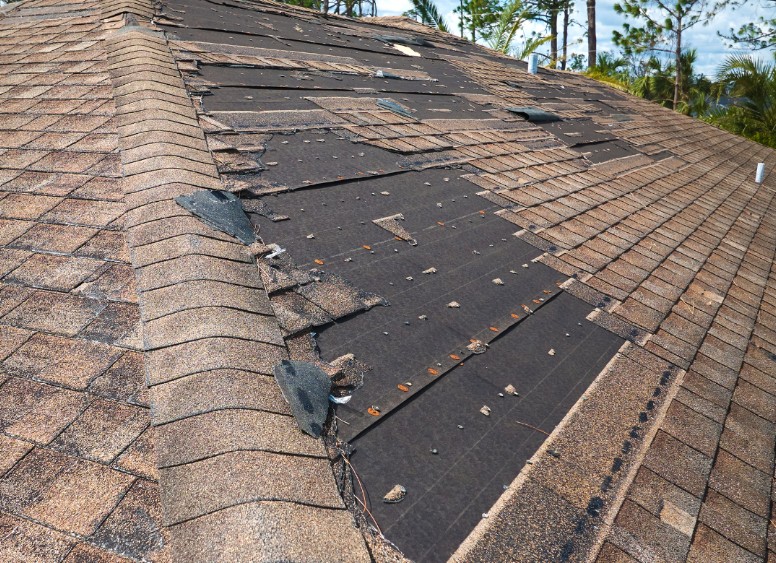
In some cases, a roof replacement is the best option. While it is a more significant investment, it can save you money in the long run by preventing repeated repairs and potential damage to your home.
Signs You Need a Roof Replacement
- Extensive Damage: If the damage is widespread or affects structural integrity, replacement is necessary. Large areas of damaged shingles or underlying deck issues require comprehensive solutions. Ignoring extensive damage can lead to significant safety hazards and higher repair costs.
- Age of the Roof: Most roofs last 20-25 years. If yours is nearing the end of its lifespan, replacement is advisable. Older roofs are more susceptible to leaks and damage, and replacing them can improve energy efficiency and home value.
- Frequent Repairs Needed: If you’re constantly repairing your roof, it might be time for a new one. Repeated repairs can indicate underlying issues that a simple fix won’t resolve. Investing in a replacement can provide peace of mind and long-term savings.
- Energy Efficiency Concerns: Older roofs may not provide adequate insulation, leading to higher energy bills. A new roof can improve insulation, reduce energy costs, and enhance comfort.
Roof Replacement Costs
The cost of roof replacement can vary significantly depending on factors such as the size of your roof, materials used, and labor costs in your area. On average, homeowners can expect to pay between $5,000 and $10,000 for a roof replacement. It’s important to get multiple quotes from reputable contractors to ensure you’re getting a fair price.
Factors Affecting Roof Replacement Costs
- Material Choice: Asphalt shingles are typically less expensive than metal or tile roofing. However, the initial cost should be weighed against longevity and maintenance requirements. High-quality materials may offer better durability and longer warranties.
- Roof Size and Complexity: Larger or more complex roofs will require more materials and labor. Features like skylights, chimneys, or multiple slopes can increase the complexity and cost of the project. Accurate measurements and detailed planning can help manage these costs.
- Labor Costs: These can vary based on your location and the contractor’s experience. Highly skilled contractors might charge more but offer superior workmanship and reliability. It’s essential to consider both cost and quality when choosing a contractor.
- Permit and Disposal Fees: Some areas require permits for roof replacements, and there may be fees for disposing of old materials. Understanding these additional costs can help you budget more accurately.
Making the Decision: Repair or Replace?
The decision between roof repairs and replacement is not always straightforward. It requires careful consideration of the extent of damage, the age of your roof, and your budget. Consulting with a professional roofing contractor can provide valuable insights and help you make an informed decision.
Factors to Consider
- Long-term Costs: While repairs might be cheaper initially, repeated repairs can add up. Consider the cumulative costs of frequent repairs versus a one-time investment in a replacement. A new roof may offer better warranties and lower maintenance costs.
- Home Value: A new roof can increase your home’s value and curb appeal. When considering selling, a modern, efficient roof can be a significant selling point. The investment in a new roof can often be recouped in a higher sale price.
- Insurance Coverage: Check with your insurance provider to see if storm damage roof repairs or replacement might be covered. Understanding your policy can help you navigate claims and minimize out-of-pocket expenses. Some insurers may offer discounts for roof upgrades that improve safety and resilience.
- Environmental Impact: Consider the sustainability of your roofing materials. Eco-friendly options can reduce your carbon footprint and qualify for tax incentives.
Finding the Right Roofing Solution
Whether you choose roof repairs or a complete replacement, ensuring that your roof is in top condition is crucial for the safety and comfort of your home. With a clear understanding of your options and the guidance of a trusted roofing professional, you can make the best decision for your home’s needs. Reach out to our team at Galaxy Roofing and Construction to find out which solution is the best for your home!